

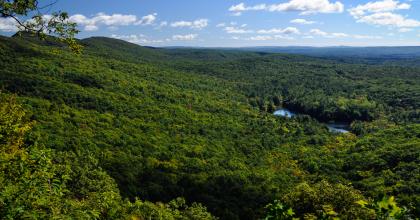

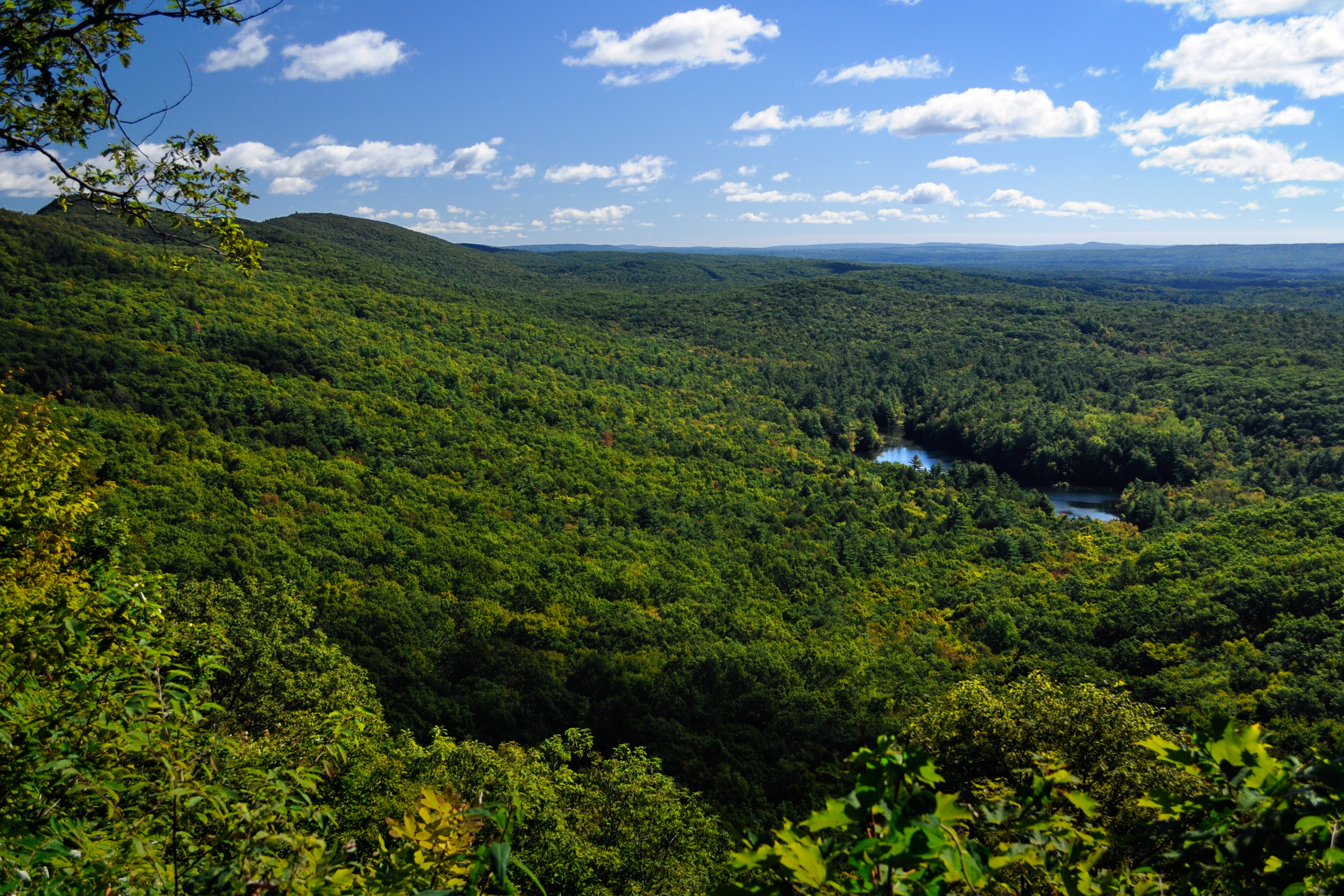
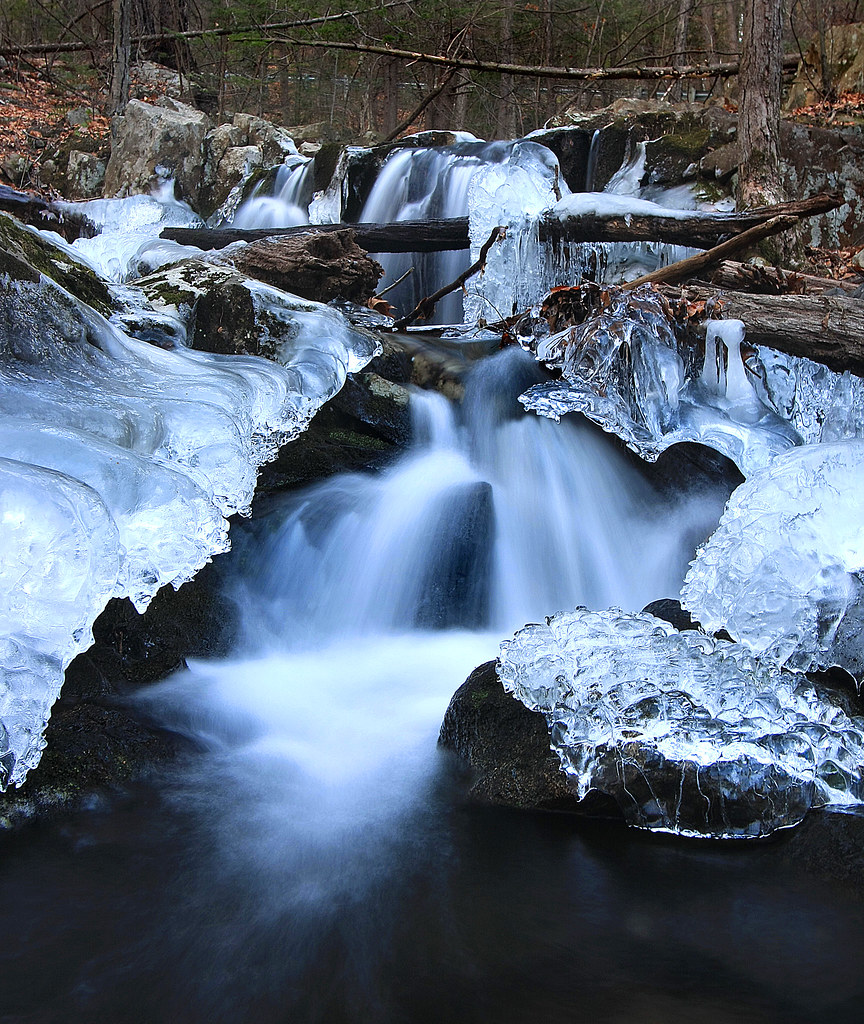

Workshop. Field Day. Networking. The Northern Institute of Applied Climate Science (NIACS) has partnered with foresters from New England water supply organizations to host a two-day workshop to consider the impacts of climate change on forested watersheds. This event provided opportunities to learn about and to discuss how to adapt forested watersheds in New England and New York to climate change. This workshop was geared to natural resource professionals and compliance, who work within, and manage water supply forests.
November 7th was open to natural resource professionals. Slides from presentations are below:
- Seeing the Forest for the Streams - Headwater watersheds. Scott Bailey, US Forest Service.
- Climate Change Effects on New England Forests. Pam Templer, Boston University.
- Forest water supply perspective on producing clean water in an era of change. John O'Neil, Manchester Water Works.
- Silviculture through the lens of forest adaptation. Tony D’Amato, Univ. of Vermont.
- Best Management Practices to protect water supplies and to prepare for climate impacts. Karl Honkonen, US Forest Service
- Emergency Erosion Control Techniques: Dealing with Severe Weather Conditions During an Active Timber Harvest. Jim Frohn, University of New Hampshire.
- Responding to Climate Change Impacts in Forested Watershed Management. Danielle Shannon, NIACS Michigan Technological University.
Real-world case studies of climate adaptation in forested watersheds.
- Scituate Reservoir Climate Adaptation Projects. Christopher Riely, Sweet Birch Consulting, Read more at the demonstration project page
- Atlas Timber and shorter winters. Robert Turner, R. J. Turner Co. Read more at the demonstration project page
- Division of Water Supply Protection Adaptation. Brian Keevan, MA DCR
-----
November 8: Guided Tour and Field Activities
Field Tours at the Wachusett Reservoir and climate change related field activities. Hosted by MA DCR Forestry, Northern Institute of Applied Climate Science, Sweet Birch Consulting, and US Forest Service.
- How to: Assessing Stand-Level Climate Change Risk Using Forest Inventory Data
- Tree Species habitat suitability given a low or high warming scenario for New England and New York
-----
Additional Resources:
- New England Forest Vulnerability Assessment
- Forest Adaptation Webinar Series
- Climate Change Resource Center
- Forest Ecosystem Atlas
- Northeast Climate Adaptation Science Center (NECASC)
- Climate Adaptation Knowledge Exchange (CAKEX)
- USDA Climate Hubs
- 5th National Climate Assessment
- US Climate Resilience Toolkit (Climate Explorer)
- NOAA Climate-at-a-Glance
Note: This even was approved for Continuing Forestry Education credits for both days by the Society of American Foresters. Day 1 was approved for 4 Category 1 CFE units; and Day 2 was approved for 3 Category 1 CFE units. Contact Danielle if you need credits for this workshop.
Have a question? Contact Danielle Shannon, and Maria Janowiak
This workshop was organized by the Northern Institute of Applied Climate Science, USDA Northern Forests Climate Hub, US Forest Service, Massachusetts DCR, Sweet Birch Consulting, Manchester Water Works and the New England Watershed Managers (NEWMAN) Collaborative.