
Project Area
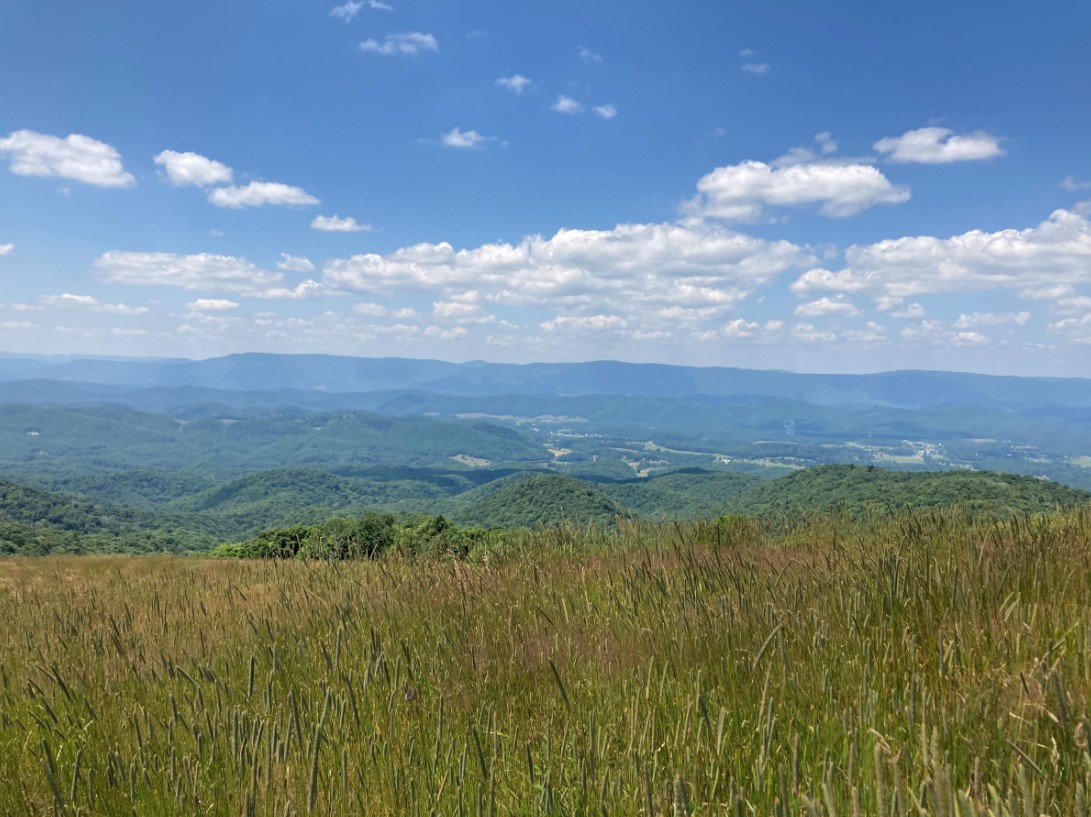
 The 89,050-acre project area is centered on the town of Green Bank, WV & contains Deer Creek, Greenbrier River, and a portion of Sitlington Creek headwaters. Approx 39% is National Forest System land. The Forest is divided into areas known as Management Prescriptions (MP's). The three MP's in the project include:
MP 3.0 Vegetation Diversity (13,895 acres) which emphasizes age class diversity and sustainable timber production.
MP 4.1 Spruce and Spruce-Hardwood Restoration (1,745 acres) which emphasizes the active and passive restoration of spruce and spruce-hardwood communities.
MP 6.1 Wildlife Habitat (24,088 acres) which emphasizes the sustainable production of mast trees and other plant communities that benefit wildlife, and restoration of fire-adapted pine-oak communities.
The majority of the Deer Creek project area has largely remained unmanaged in recent years, with an exception to the Ramshorn, Guinn, and Chestnut Ridge prescribed burn complexes in the eastern portion of the project area. Historically, wildfires created and maintained areas of oak-pine forests across the Appalachian Mountains, including the Deer Creek Project Area. Human suppression of these fires in the past and present has transitioned many of these forests to wetter beech-maple forests less typical of the region.
Management Goals
The purpose of the project webpage includes goals to:
- Support a healthy riparian and aquatic habitat and channel function that provides habitat diversity for fish species.
- Maintain, restore, or improve soil quality, productivity, and function.
- Provide safe, effective, and environmentally responsible recreational opportunities.
- Provide an opportunity for visitors to learn and connect with cultural heritage and the land.
- Improve oak regeneration and reduce hazardous fuel loads.
- Prevent establishment or expansion of non-native invasive species.
- Enhance the diversity of forest vegetative cover and provide a wider range of wildlife habitat, while providing for sustainable future timber production and mast production.
- Concentrate management actions in discrete areas to provide wildlife habitat complexes set amongst larger blocks of late successional habitat.
- Integrate the above management actions to work together to increase ecosystem resiliency to better withstand expected impacts of climate change.
Challenges and Opportunities
Climate change will present challenges and opportunities for accomplishing the management objectives of this project, including:
Adaptation Actions
Project participants used the Adaptation Workbook to develop several adaptation actions for this project, including:
Area/Topic
Approach
Tactics
Reinforce the existing riparian buffers throughout the project area to help mitigate the loss of hemlocks by planting native red spruce and the more climate-resilient white pine.
Slow streamflow in coldwater streams by adding large woody material to streams which currently lack complex stream structure. When possible, fell trees around conifers into the streams, allowing the conifers more light to grow and shade the stream.
Monitoring
Project participants identified several monitoring items that could help inform future management, including: